Comprehensive Guide to Heating & Air Conditioning Solutions
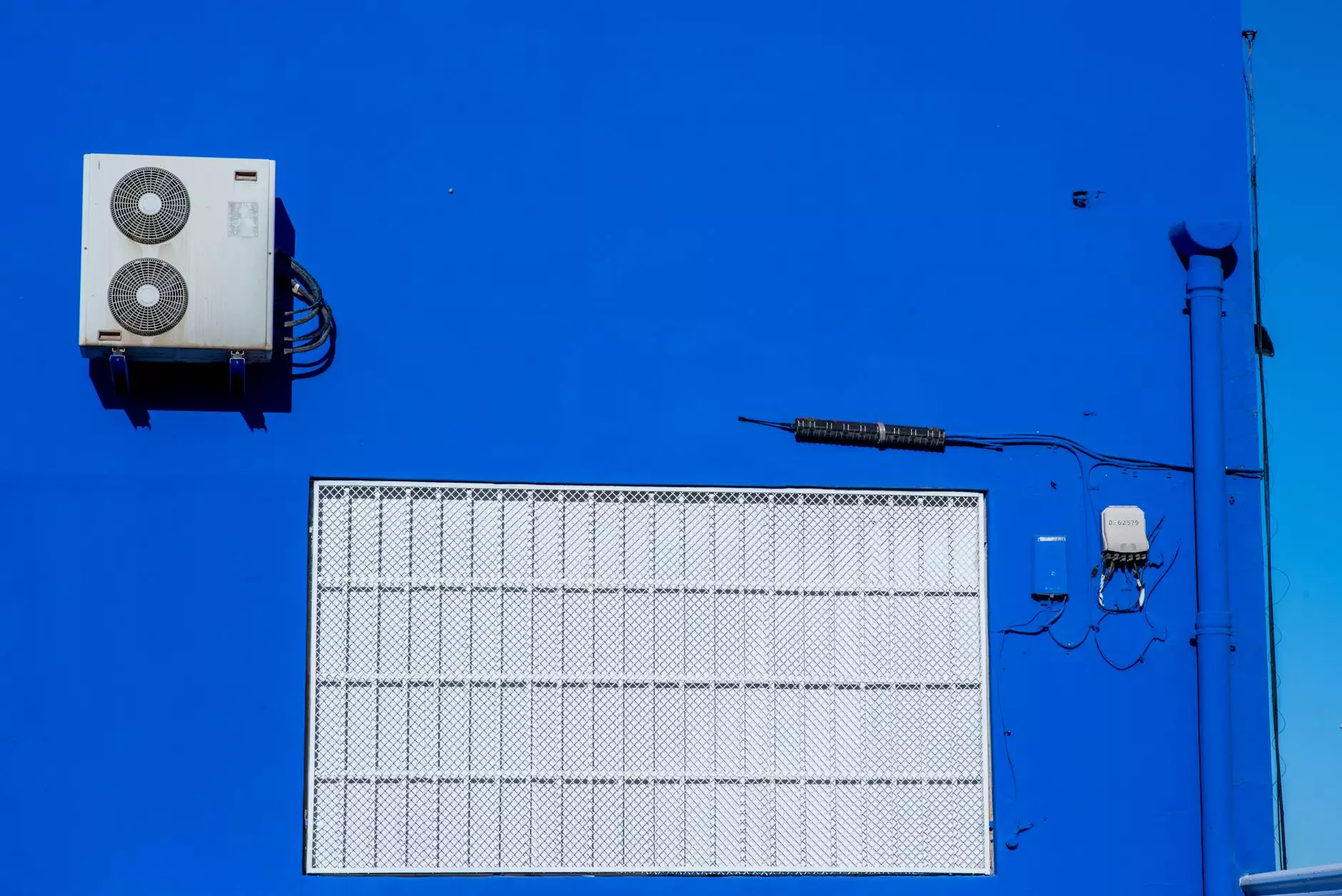
In today's world, heating and air conditioning systems play a crucial role in ensuring comfort within our homes and workplaces. Having a reliable HVAC (Heating, Ventilation, and Air Conditioning) system is essential not only for comfort but also for creating a healthy indoor environment. In this article, we aim to provide a deep dive into the various aspects of HVAC systems, from their benefits to maintenance tips, helping you understand everything you need to know.
The Importance of HVAC Systems
Having an efficient heating and air conditioning system is fundamental for the following reasons:
- Comfort: Ensures a pleasant environment in both hot and cold weather.
- Health: Proper ventilation reduces allergens, dust, and pollutants in the air.
- Energy Efficiency: Modern HVAC systems are designed to consume less energy, which reduces utility bills.
- Home Value: A well-maintained HVAC system can enhance the property value of your home.
Understanding Different Types of HVAC Systems
There are several types of heating and air conditioning systems available on the market. Understanding these can help you make an informed decision about which system best suits your needs. Let's look at the major categories:
1. Central Heating and Cooling Systems
Central systems are typically the most common type of HVAC solution. These systems use ductwork to distribute air throughout your home. They can be powered by a variety of sources including:
- Electricity
- Natural Gas
- Heat Pumps
- Geothermal Systems
Central systems offer the advantage of even temperature distribution, which can lead to consistent comfort levels throughout your home.
2. Ductless Mini-Split Systems
Ductless systems are an efficient alternative for homes without existing ductwork. They consist of an outdoor compressor unit and one or more indoor units that can be individually controlled. Benefits include:
- Flexibility in temperature control for each room
- Higher energy efficiency
- Less installation hassle as they don’t require ductwork
3. Portable Air Conditioners
For those who need temporary cooling solutions, portable air conditioners are an ideal choice. They are easy to install and can be moved from room to room, making them a flexible option during hot weather.
Key Components of HVAC Systems
Understanding the basic components of HVAC systems can help you appreciate how they work and why regular maintenance is so important.
1. Furnace
The furnace is responsible for heating the air that circulates throughout your home. It uses fuel sources such as gas, oil, or electricity to create heat.
2. Air Conditioner
The air conditioning unit cools the air that is circulated throughout the home. It usually works through a refrigeration cycle that removes heat from the indoor air.
3. Heat Pumps
Heat pumps function by transferring heat rather than generating it, making them energy-efficient. They can be used for both heating and cooling, depending on the season.
4. Thermostat
The thermostat is the control center of your HVAC system. It allows you to set your desired temperature, and when the indoor temperature deviates from your setpoint, it triggers the heating or cooling mechanism.
Benefits of Regular HVAC Maintenance
Regular maintenance of your HVAC system is essential for efficiency and longevity. Here's how routine servicing can benefit you:
- Improved Efficiency: A well-maintained system runs more efficiently, reducing energy consumption and saving you money on utility bills.
- Extended Lifespan: Routine checks can identify and resolve minor issues before they escalate into major problems.
- Enhanced Air Quality: Cleaning and replacing filters can improve indoor air quality, making your home safer and healthier.
- Peace of Mind: Knowing your HVAC system is in good working order can provide peace of mind, especially during extreme weather conditions.
DIY vs. Professional Maintenance
While there are several maintenance tasks that homeowners can handle themselves, such as changing air filters, there are complex components of HVAC systems that require professional expertise. Here’s a brief comparison:
DIY Maintenance Tasks
- Replacing or cleaning air filters
- Clearing debris around outdoor units
- Checking and sealing leaks in ductwork
Professional Maintenance Tasks
- Detailed system inspections
- Checking refrigerant levels
- Cleaning evaporator and condenser coils
- Inspecting electrical components and connections
Tips for Selecting an HVAC Contractor
Choosing the right HVAC contractor is crucial for ensuring quality service. Here's a guideline to help you make the right choice:
- Verify Credentials: Ensure the contractor is licensed and insured.
- Read Reviews: Look for customer feedback to gauge reliability and service quality.
- Get Multiple Quotes: Comparing estimates will help you understand the fair market price and the services offered.
- Ask About Warranties: A reputable contractor will offer warranties on their workmanship and the equipment they install.
- Evaluate Experience: Look for contractors with a proven track record in your area.
Understanding Energy Efficiency Ratings
When considering HVAC installations or replacements, understanding energy efficiency ratings can help you choose systems that save on energy costs. The primary ratings include:
1. SEER (Seasonal Energy Efficiency Ratio)
This rating measures the efficiency of air conditioners and heat pumps. A higher SEER rating indicates better efficiency.
2. HSPF (Heating Season Performance Factor)
This rating measures the efficiency of heating pumps during the heating season, similar to SEER for cooling.
3. AFUE (Annual Fuel Utilization Efficiency)
This rating specifically applies to furnaces and indicates how efficiently they convert fuel into heat.
Emerging Trends in HVAC Technology
With the rapid advancement in technology, the HVAC industry is evolving. Here are some emerging trends:
1. Smart Thermostats
These devices allow users to control their home environment remotely and are designed to learn user preferences to optimize energy usage.
2. Energy Recovery Ventilation (ERV)
ERV systems improve indoor air quality while minimizing energy loss, providing a sustainable option for venting stale air.
3. Zoning Systems
Zoning systems allow different areas of a home to be heated or cooled independently, optimizing comfort and efficiency.
Conclusion
Investing in a quality heating and air conditioning system is essential for both comfort and health. Regular maintenance ensures that your HVAC system operates efficiently and lasts longer. Whether you are considering an upgrade or just need routine maintenance, understanding the intricacies of HVAC technology and access to expert services is vital.
For more information about HVAC solutions and services, you can visit https://dihaairconditioning.com/.
© 2023 HVAC Solutions. All rights reserved.