The Ultimate Guide to Airfreight: Expanding Your Business Horizons
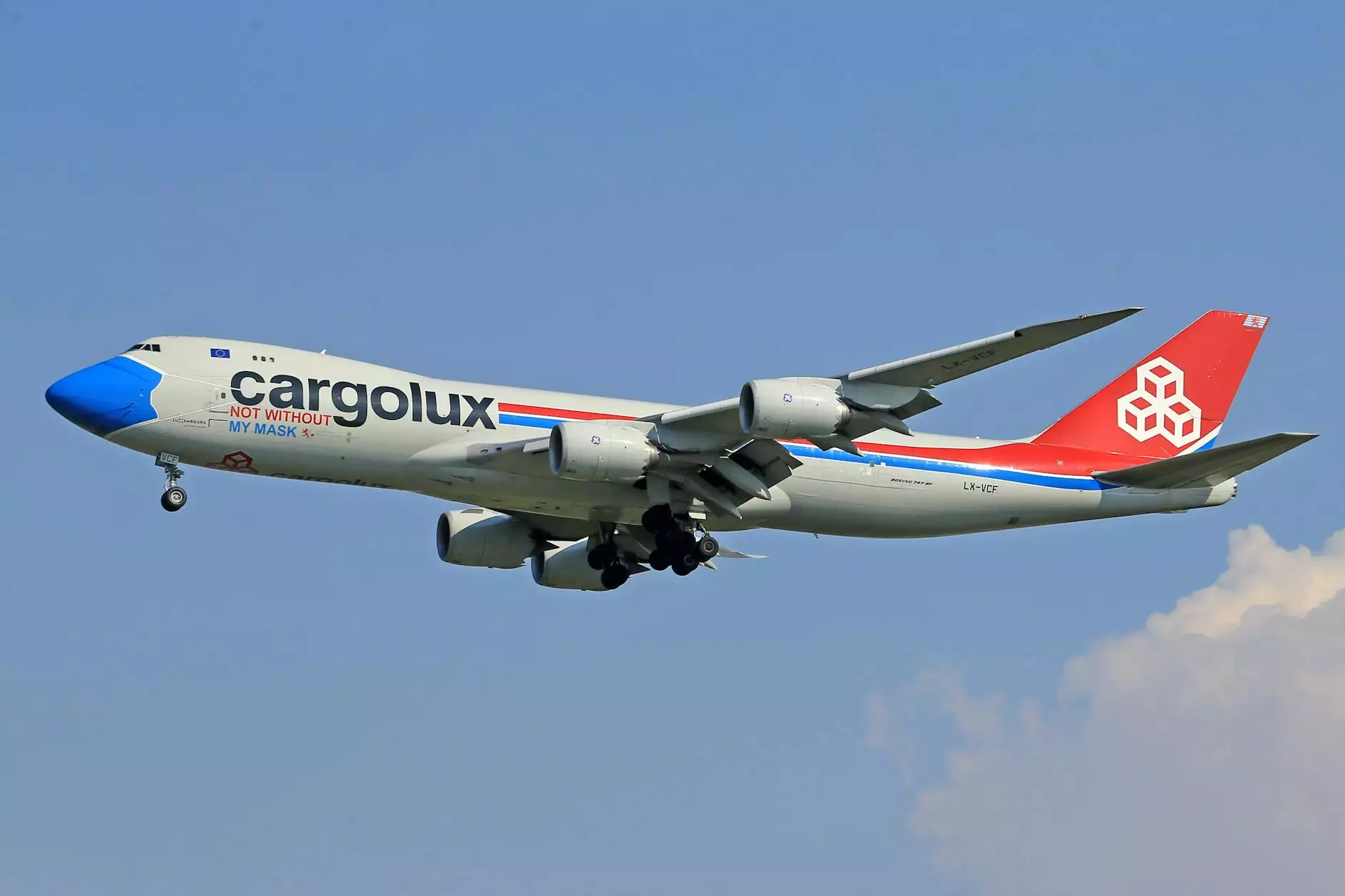
In today's global market, the speed of delivery can make or break a business. As companies strive to meet consumer demands, they seek efficient logistics solutions that ensure timely distribution of their products. Among various transportation methods, airfreight or air freight stands out as a pivotal option, offering remarkable advantages that can significantly enhance your business operations.
Understanding Airfreight: A Comprehensive Overview
Airfreight refers to the transport of goods via air transportation. It involves moving cargo through aircraft from one destination to another rapidly. Businesses often rely on air freight services for international shipping, especially for urgent shipments or high-value goods that require less transit time. But what makes airfreight such a sought-after option for businesses?
Benefits of Choosing Airfreight
- Speed: Airfreight is the fastest logistics solution available, typically delivering goods within hours or a day, regardless of distance.
- Global Reach: With a vast network of airports, airfreight allows businesses to reach even the most remote destinations worldwide.
- Reliability: Air cargo is less susceptible to delays caused by factors such as weather conditions compared to road transportation.
- Safety: Security measures for airfreight are stringent, providing an extra layer of protection for valuable items during transport.
- Less Inventory Cost: With faster delivery times, businesses can hold minimal inventory, reducing storage costs significantly.
How Airfreight Works
The process of airfreight involves several steps that ensure your cargo reaches its destination safely and promptly. Understanding this process can help you appreciate the meticulous planning that goes into air transportation.
The Airfreight Process
- Booking: Customers book a shipment by providing details of the goods they wish to transport, including weight, dimensions, destination, and delivery urgency to services like cargobooking.aero.
- Document Preparation: Necessary paperwork, including the air waybill and customs documents, are prepared.
- Pickup and Transport to Airport: The cargo is picked up from the origin location and transported to the airport.
- Customs Clearance: Cargo undergoes customs clearance, ensuring adherence to regulation, especially for international shipments.
- Loading into Aircraft: Carefully packed goods are loaded into the aircraft for transport.
- Transportation: The aircraft transports the cargo directly to the destination airport.
- Unloading and Delivery: Goods are unloaded and can either be picked up or delivered to the final destination, completing the airfreight journey.
Airfreight vs. Other Transportation Methods
While airfreight is a powerful logistics solution, it's essential to consider how it compares with other transportation options like sea freight and road transportation. Each method has its strengths and is suited for specific types of cargo and delivery schedules.
Airfreight vs. Sea Freight
- Speed: Airfreight is significantly faster, ideal for urgent shipments, while sea freight typically takes much longer.
- Cost: Airfreight tends to be more expensive due to fuel costs and limited cargo space, whereas sea freight offers lower shipping costs per kilogram.
- Capacity: Sea freight can carry larger volumes and heavier cargo, making it more suitable for bulk shipments.
- Environmental Impact: Air transportation has a higher carbon footprint compared to sea freight.
Airfreight vs. Road Transport
- Distance: Airfreight is superior for long-distance shipping, while road transport is more efficient for short distances.
- Accessibility: Road transport can reach locations not serviced by airports, providing a last-mile solution for airfreight.
- Flexibility: Road transport offers more flexibility in scheduling and cargo handling, whereas air freight schedules are more rigid.
Cost Factors in Airfreight Services
Understanding the cost structure of airfreight is crucial for businesses looking to utilize this service effectively. Several factors contribute to the overall cost of air cargo services:
Key Cost Determinants
- Weight and Volume: Airfreight costs are often calculated based on the greater of the actual weight or dimensional weight of the cargo.
- Destination: Shipping costs vary based on the distance from the point of origin to the destination. Remote locations may incur higher charges.
- Fuel Prices: Fluctuations in fuel prices directly affect air freight rates.
- Transport Insurance: To protect goods during transit, businesses may opt for insurance, adding to overall costs.
- Customs Fees: International shipments often incur customs duties or taxes that need to be factored in.
Choosing the Right Airfreight Partner
Selecting the right airfreight forwarder can impact the efficiency and cost-effectiveness of your logistics strategy. Here are key considerations to keep in mind:
What to Look for in an Airfreight Provider
- Experience: A seasoned airfreight forwarder understands the ins and outs of international shipping and customs regulations.
- Network: A strong global network of partners and agents can facilitate smoother transactions and quicker deliveries.
- Reputation: Research reviews and testimonials to gauge the reliability and service quality of the airfreight provider.
- Technology: Look for companies that utilize advanced technology for tracking shipments and managing logistics efficiently.
- Customer Support: Excellent customer service is essential for addressing issues that may arise during the shipping process.
The Future of Airfreight
The airfreight industry is poised for evolution as new technologies emerge and global trade patterns change. Here are trends to watch in the future of airfreight:
Technological Innovations
Technology is a game changer in the logistics landscape. With the introduction of artificial intelligence, machine learning, and automation:
- Predictive Analytics: Companies can optimize routes and predict demand more accurately, reducing costs and improving service.
- Drones: Unmanned aerial vehicles (UAVs) are beginning to play a role in last-mile deliveries, particularly in remote areas.
- Blockchain: Ensures transparency and security across the supply chain, potentially eliminating fraud and increasing trust.
Sustainability Initiatives
With growing environmental concerns, the airfreight sector is exploring sustainable practices:
- Fuel Efficiency: Airlines are investing in newer, more fuel-efficient aircraft to reduce emissions.
- Carbon Offset Programs: Companies are implementing programs to offset carbon emissions through various environmental initiatives.
- Eco-friendly Packaging: Adoption of sustainable packaging materials to minimize environmental impact.
Conclusion
In summary, airfreight or air freight offers unparalleled advantages in speed, reliability, and global reach, making it a crucial component of modern logistics strategies. Whether you're a small business or a large corporation, leveraging airfreight services can enhance your operational efficiency and customer satisfaction through timely deliveries.
As the industry evolves with technology and sustainability initiatives, it's essential for businesses to stay informed and partner with reliable airfreight providers to navigate the complexities of global trade effectively. By making intelligent choices in your logistics strategy, you can propel your business forward in today’s competitive marketplace.
airfreight or air freight