Understanding the Role of a Thoracic Surgeon in Modern Medicine
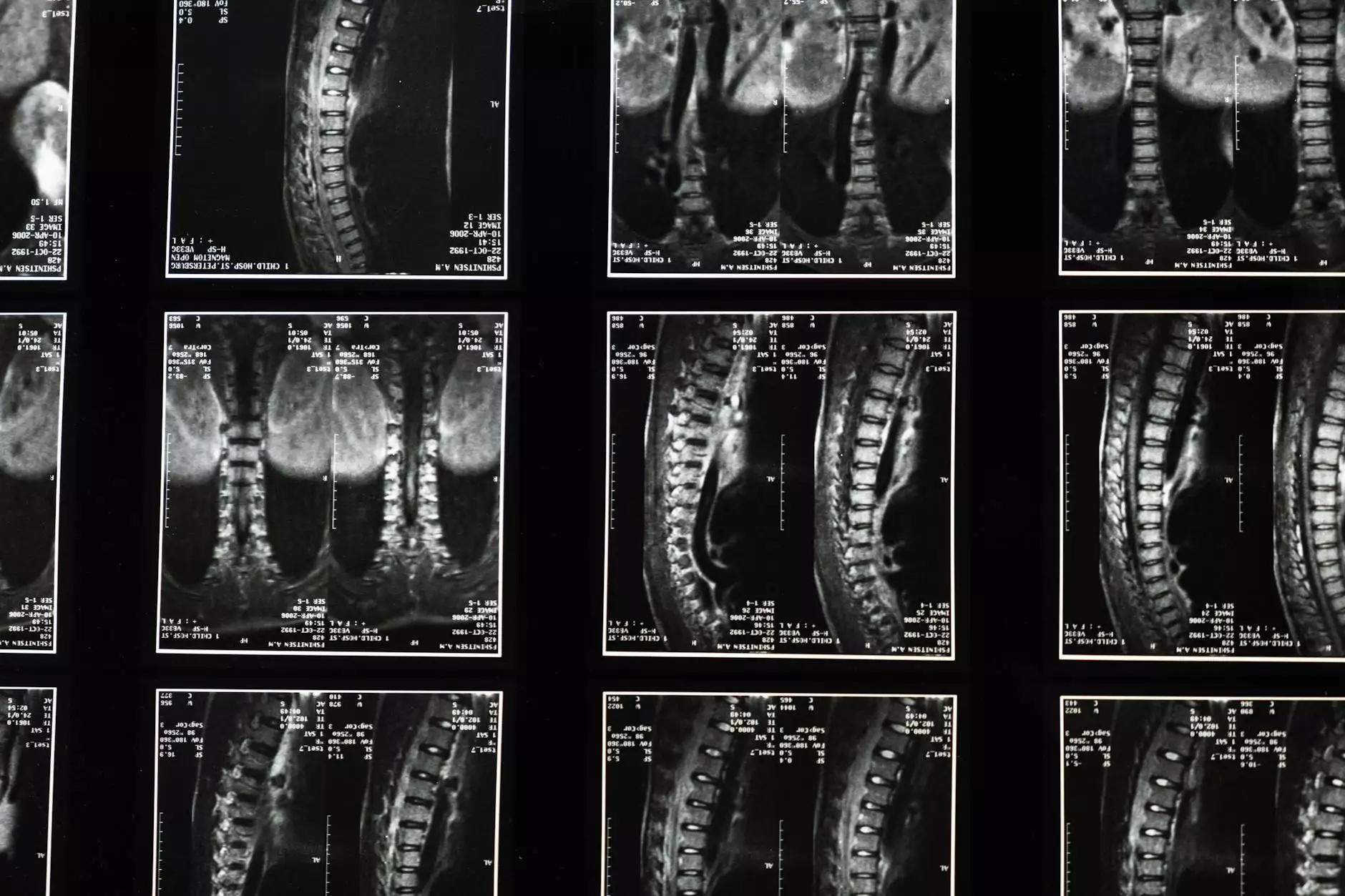
In the realm of healthcare, the role of a thoracic surgeon stands as one of the most specialized fields, combining advanced surgical techniques with a deep understanding of thoracic anatomy. This article delves into the myriad responsibilities of thoracic surgeons, their training, the procedures they perform, and their critical impact on patient health outcomes. We aim to provide a comprehensive overview that will inform both patients and professionals about this indispensable specialty.
The Definition and Scope of Thoracic Surgery
Thoracic surgery refers to the surgical specialty that focuses on organs in the chest, primarily the heart, lungs, and esophagus. Thoracic surgeons are highly trained professionals who perform intricate procedures to treat diseases and conditions affecting these organs. The scope of thoracic surgery has evolved, expanding to include various areas such as:
- Cardiothoracic Surgery: Surgical procedures related to the heart and lungs.
- Minimally Invasive Surgery: Techniques utilizing small incisions to minimize recovery time.
- Oncologic Surgery: Removal of tumors and cancerous tissues from thoracic organs.
- Transplant Surgery: Procedures including heart and lung transplants.
The Education and Training of a Thoracic Surgeon
Becoming a thoracic surgeon requires extensive education and training. Here’s a general pathway that candidates follow:
- Undergraduate Education: Typically a 4-year degree, often with a focus in the sciences.
- Medical School: 4 years of medical training leading to an MD or DO degree.
- Residency Training: 5-7 years of residency in general surgery, followed by 2-3 years of specialized training in thoracic surgery.
- Board Certification: Passing a rigorous examination to become board certified in thoracic surgery.
Common Conditions Treated by Thoracic Surgeons
Thoracic surgeons manage a wide array of medical conditions. Some of the most common include:
- Lung Cancer: Surgical intervention to remove tumors or entire lung segments.
- Esophageal Cancer: Procedures involving the esophagus, including resections and reconstructions.
- Valve Disorders: Surgical repairs or replacements to address heart valve issues.
- Pulmonary embolism: Removal of blood clots from the pulmonary arteries.
- Chest Trauma: Emergency surgeries to address injuries sustained in accidents.
Innovations in Thoracic Surgery
The field of thoracic surgery is continually evolving, with advancements that enhance surgical techniques and patient outcomes. Some notable innovations include:
Robotic-Assisted Surgery
Robotic-assisted surgery involves using robotic systems to perform complex procedures with precision. It allows surgeons to perform minimally invasive surgery using small incisions, leading to shorter recovery times and reduced pain.
Enhanced Recovery After Surgery (ERAS) Protocols
The ERAS protocols focus on optimizing the patient’s recovery post-surgery through a multi-disciplinary approach, emphasizing pain management, nutrition, and early mobilization.
Personalized Medicine
Incorporating genetic and molecular testing into treatment plans allows thoracic surgeons to tailor their approaches to individual patients, improving outcomes and minimizing side effects.
The Role of Thoracic Surgeons in Health and Medical Sectors
In addition to their surgical responsibilities, thoracic surgeons play a crucial role in various health and medical sectors, including:
Collaboration with Oncologists
Thoracic surgeons frequently work alongside oncologists to develop comprehensive treatment plans for patients with thoracic cancers, ensuring that surgical options are well-integrated with chemotherapy and radiation therapies.
Involvement in Sports Medicine
Thoracic surgeons also collaborate with sports medicine professionals to address injuries resulting from high-impact activities. They may perform surgeries that repair damage to the chest wall or lung injuries sustained during sports. This intersection contributes to athletes' health and well-being, fostering quicker recoveries and a return to peak performance.
Physical Therapy Integration
Post-operative recovery for thoracic surgery often includes physical therapy. Thoracic surgeons work closely with physical therapists to design rehabilitation programs that help patients regain their strength and respiratory function after surgery, particularly after lung resections or heart surgeries.
Challenges Faced by Thoracic Surgeons
Like all medical professionals, thoracic surgeons face unique challenges in their practice, which include:
- Complex Cases: Managing patients with multifaceted health issues can complicate surgical outcomes.
- Technological Adaptation: Keeping up-to-date with rapidly advancing technologies and techniques.
- Patient Education: Effectively communicating complex medical information and procedures to patients and their families.
Patient Perspectives: What to Expect When Consulting a Thoracic Surgeon
Understanding what to expect when consulting a thoracic surgeon can alleviate patient anxiety and enhance their experiences. Here are important aspects of the process:
The Initial Consultation
During the first visit, the surgeon will conduct a thorough evaluation which includes:
- Medical History Review: Gathering information about the patient’s health and previous treatments.
- Physical Examination: Assessing the patient’s current condition through various physical assessments.
- Diagnostic Testing: Recommending tests such as imaging (CT scans, X-rays) or biopsies to make accurate diagnoses.
Surgical Options Discussion
Following the evaluation, patients can expect an open discussion regarding:
- Recommended Procedures: The surgeon will explain necessary surgeries, risks, and benefits.
- Alternative Treatments: Discussing non-surgical options if applicable.
- Pre-operative Preparations: Guidelines on what to do prior to the surgery.
Post-Surgery Care and Recovery
After surgery, the surgeon will provide care instructions that may include:
- Pain Management: Strategies for managing post-operative discomfort.
- Follow-Up Appointments: Scheduling regular check-ins to monitor recovery.
- Physical Activity Guidelines: Recommendations for gradually resuming daily activities.
Conclusion: The Indispensable Impact of Thoracic Surgeons
The contributions of a thoracic surgeon to modern medicine are profound and far-reaching. From performing life-saving surgeries to collaborating with other healthcare professionals across disciplines, thoracic surgeons influence the health and quality of life of countless patients. Their expertise not only aids in immediate health challenges but also fosters ongoing advances in surgical techniques, patient care protocols, and technology integration, ultimately shaping the future of thoracic medicine.
For anyone considering treatment from a thoracic surgeon, understanding their critical role and the scope of their expertise can empower patients to make informed decisions about their health. As the field continues to evolve, patients can have confidence that they are receiving care from skilled professionals dedicated to improving patient outcomes in the realm of health and medical services.