Unlocking the Power of Custom Paper Box Packaging for Your Business
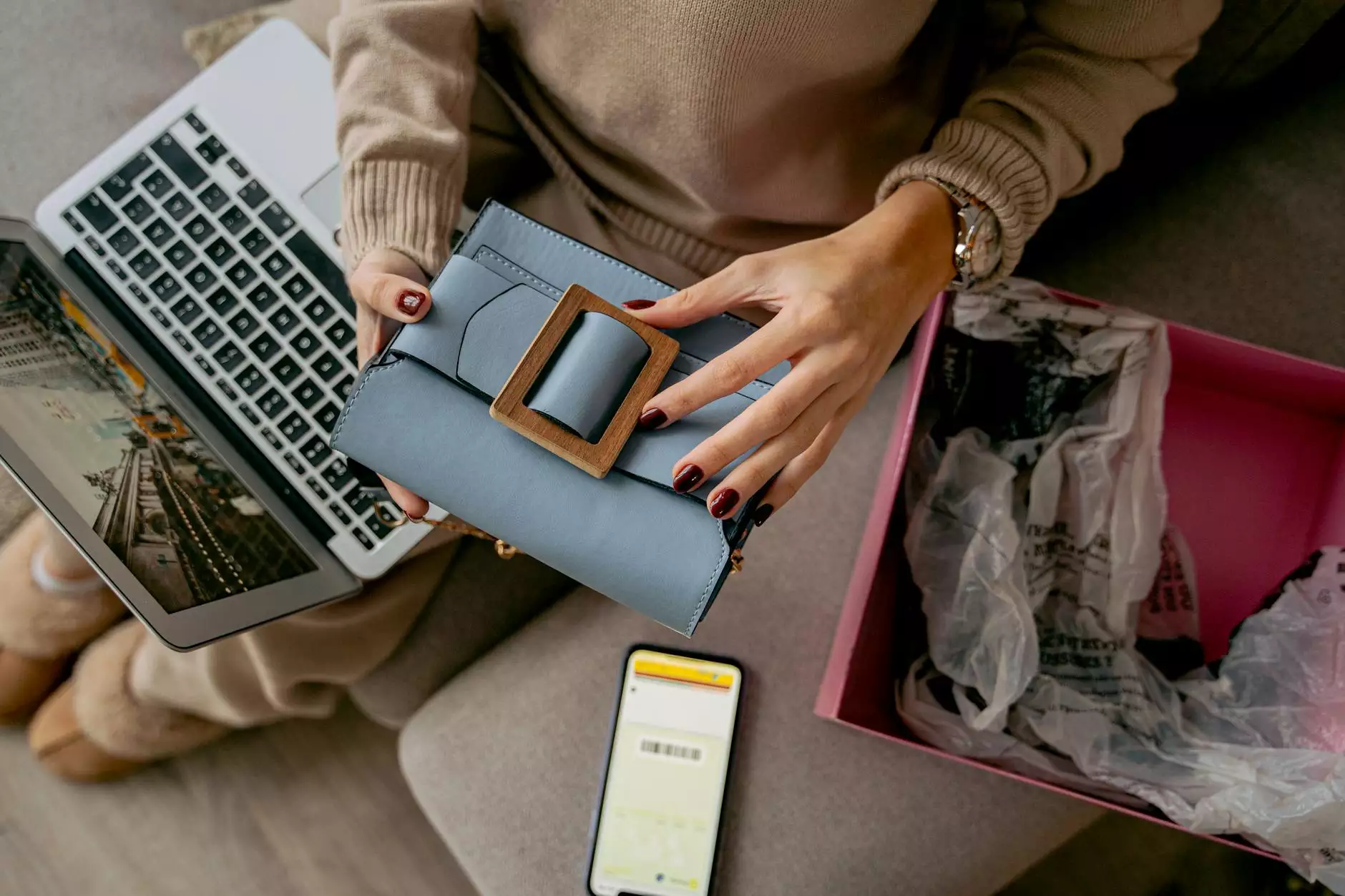
In today’s competitive market, custom paper box packaging is not just an afterthought; it is a crucial part of your brand strategy. Packaging is often the first interaction customers have with your product, which makes it vital for your business to create a lasting impression.
The Importance of Custom Packaging
Custom packaging serves several essential functions that can elevate your business, including:
- Brand Recognition: A unique packaging design helps customers remember your brand.
- Protection: Custom boxes provide adequate protection for your products during shipping and handling.
- Cost Efficiency: Tailored designs can reduce wastage and optimize shipping costs.
- Marketing Tool: Beautiful packaging attracts customers and can be a great marketing tool.
What is Custom Paper Box Packaging?
Custom paper box packaging refers to boxes made from paperboard or corrugated materials designed specifically for products and brand requirements. This packaging can be tailored in terms of size, shape, color, and printing options to reflect the brand's identity and effectively cater to product needs.
The Benefits of Using Custom Paper Boxes
Utilizing custom paper box packaging can offer numerous advantages for businesses. Here are some of the key benefits:
1. Enhanced Brand Identity
Custom packaging allows brands to showcase their personality and values. With design elements like your logo, brand colors, and typography, you can easily create a connection with your audience. This recognition fosters loyalty, as customers are more likely to purchase from brands they remember.
2. Sustainability
With increasing awareness of environmental issues, more brands are opting for sustainable materials. Paper boxes are often recyclable and biodegradable, allowing businesses to reduce their carbon footprint. Additionally, consumers are more inclined to support brands that prioritize sustainability.
3. Product Safety
When utilizing custom paper box packaging, businesses can design boxes that safeguard products during transit. Sturdy construction and tailored designs minimize the risk of damage. A well-protected product leads to a better customer experience and fewer returns or complaints.
4. Marketing Opportunities
Custom packaging is an extension of your marketing strategy. By including special promotions, QR codes, or social media handles, you can engage consumers further. Eye-catching designs can also be featured in user-generated content, as customers share their unboxing experiences online.
Types of Custom Paper Box Packaging}
There are several types of custom paper box packaging available that cater to different product needs:
- Folding Cartons: Ideal for retail products, these boxes are economical and versatile.
- Rigid Boxes: Premium packaging that adds a touch of luxury; perfect for gifts and high-end products.
- Mailer Boxes: Commonly used for direct shipping, these boxes offer durability and an impressive unboxing experience.
- Custom Inserts: Enhance protection and presentation; perfect for fragile products or items that require special holding.
Designing Your Custom Paper Box
The design process for custom paper box packaging involves several essential steps:
1. Define Your Objectives
Before diving into design, clarify your goals. Ask questions like:
- What type of products will I be packaging?
- Who is my target audience?
- What is the message I want my brand to convey?
2. Research Competitors
Analyze competitors’ packaging to identify trends, gaps, and areas of opportunity. This can inspire your design while helping you differentiate your brand in the market.
3. Choose Materials Wisely
Select materials that align with your sustainability goals, budget, and product protection needs. Paper options might include:
- Recycled paperboard
- Eco-friendly inks
- Corrugated cardboard for added strength
4. Employ Professional Designers
A professional graphic designer can translate your vision into an eye-catching layout. Ensure your designers understand how to effectively use custom paper box packaging to reflect your brand's identity.
5. Mockups and Prototypes
Creating prototypes allows you to visualize the final product, making changes easier before production. It’s an important step to ensure that the packaging fits your product seamlessly.
Printing Techniques for Custom Packaging
Once your design is ready, the next step is selecting the appropriate printing technique:
- Digital Printing: Ideal for small runs of packaging, offering versatility without high costs.
- Offset Printing: Cost-effective for larger quantities, delivering high-quality results.
- Flexographic Printing: Common for bulk production, ideal for patterned designs.
Implementing Your Custom Packaging Design
After finalizing your design and printing technique, you can start implementing your custom paper box packaging:
1. Production
Work with a reputable packaging supplier to start production. Discuss timelines, quality control measures, and quantities needed.
2. Inventory Management
Maintain a balance between supply and demand by monitoring inventory levels. High-quality packaging should not lead to over-production, which wastes resources.
3. Marketing Launch
Once your packaging is ready, incorporate it into your marketing strategy. Promote your unique packaging through various channels, including social media, your website, and physical stores.
Customer Feedback and Adaptation
After your product reaches the market, collect customer feedback on the packaging. Understanding consumer perceptions can inform future designs, ensuring your custom paper box packaging evolves with your audience’s expectations.
Conclusion
Investing in custom paper box packaging is a strategic move for any business looking to enhance its brand presence, improve product protection, and create memorable experiences for customers. By following the steps outlined in this article and embracing creativity in design, businesses can effectively leverage packaging as a powerful marketing tool. Explore the possibilities today and see how custom packaging can transform your brand experience.