The Growing Challenge of Counterfeit New Zealand Dollar: A Comprehensive Guide
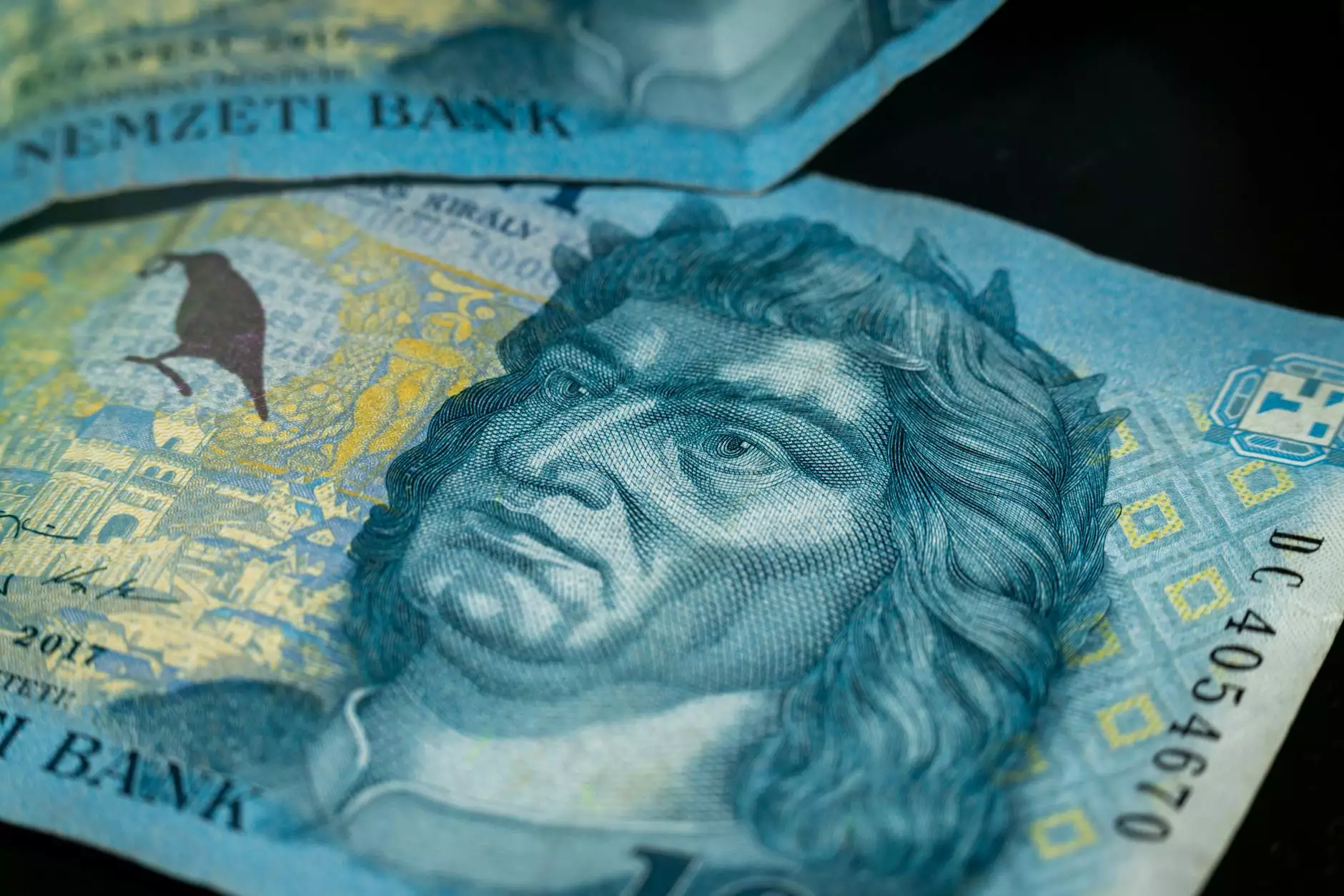
In the realm of global finance, the specter of counterfeit money raises serious concerns among businesses, consumers, and governments alike. An escalating issue, particularly with regards to the New Zealand dollar, counterfeiting is not just a nuisance but a formidable challenge that necessitates awareness and proactive measures. This article delves into the various aspects surrounding counterfeit New Zealand dollars, providing vital information that can help you navigate this complex landscape and protect your interests.
What is Counterfeiting?
Counterfeiting involves the production of imitation currency with the intent to deceive. This illegal activity undermines trust in financial systems and can have devastating effects on economies and businesses. Understanding the nuances of counterfeiting is essential not only for consumers but also for entrepreneurs and organizations involved in handling currency.
The Significance of the New Zealand Dollar
The New Zealand dollar (NZD) is a key player in the Pacific region's economy, recognized for its strength and stability. As a widely accepted currency, its integrity is crucial for the smooth operation of businesses and trade in New Zealand and beyond. However, as it gains prominence, it simultaneously becomes a target for counterfeiters aiming to profit from its value.
Identifying Counterfeit New Zealand Dollars
To effectively combat the issue of fake currency, businesses and individuals must be well-equipped to recognize the characteristics of genuine New Zealand dollars. Here are some key features to look for:
- Watermark: A clear watermark that resembles a portrait of a notable New Zealand figure should be visible when held up to the light.
- Security Thread: Embedded security threads that are visible when viewed against the light are a hallmark of genuine notes.
- Color-changing Ink: New Zealand notes utilize color-changing ink that shifts colors when viewed from different angles.
- Microprinting: Tiny text printed on the notes can often only be seen with a magnifying glass and is difficult to replicate accurately.
- UV Features: Under ultraviolet light, specific elements of the notes will glow, indicating their authenticity.
Impact on Businesses
The proliferation of counterfeit New Zealand dollars poses significant risks to local businesses. Here are the main challenges faced:
- Financial Loss: Accepting counterfeit money can lead to substantial unrecognized losses, affecting cash flow and revenue.
- Trust Erosion: Businesses that fall victim to counterfeit currency can experience a loss of trust from customers, damaging their reputation.
- Operational Inefficiencies: Additional time and resources must be dedicated to identifying and managing counterfeit issues, diverting focus from core business activities.
Preventive Measures Against Counterfeit New Zealand Dollars
To mitigate the risks associated with counterfeit currency, businesses should adopt a multi-faceted approach:
1. Employee Training
Invest in training programs for employees to recognize counterfeit money accurately. Hands-on workshops and informational sessions can empower staff with the knowledge required to identify fraudulent notes quickly.
2. Employ Advanced Detection Tools
Utilize state-of-the-art cash handling technology, including:
- Counterfeit Detection Machines: These devices can verify currency authenticity within seconds, providing a reliable safeguard.
- Mobile Apps: Leverage apps designed to help identify fake notes by scanning their features.
3. Establish Clear Return Policies
Implement policies that allow for safe returns in the event a counterfeit note is discovered. This can help reduce losses and maintain a positive relationship with customers.
Legal Implications of Counterfeiting
Understanding the legal ramifications of engaging in counterfeiting—whether knowingly or unknowingly—is crucial for business owners. In New Zealand, counterfeiting is a serious offense, and those caught can face severe penalties, including hefty fines and imprisonment. Therefore, fostering a culture of compliance within organizations should be a priority.
Innovations in Currency Design
The Reserve Bank of New Zealand continually enhances the design of the New Zealand dollar to stay ahead of counterfeiters. Recent innovations include:
- Modern Materials: The use of polymer substrates increases durability while making replication more challenging.
- Enhanced Security Features: Ongoing developments in features like holograms and dynamic elements are making it increasingly difficult for counterfeiters to produce convincing forgeries.
Resources for Reporting Counterfeiting
Businesses and individuals who encounter counterfeit currency should be aware of the resources available for reporting their findings. In New Zealand, reports can typically be submitted to:
- New Zealand Police: To report any suspected counterfeit activities directly.
- Reserve Bank of New Zealand: For further guidance and support regarding counterfeit currency issues.
The Future of Currency and Counterfeiting
As digital payments gain prevalence, the landscape of currency is changing. Although the counterfeit New Zealand dollar remains a relevant issue today, the evolution of technology presents both challenges and opportunities. Future trends may include:
- Increased Use of Cryptocurrencies: Digital currencies could reduce reliance on physical cash, potentially lowering the incidence of counterfeiting.
- Blockchain Technology: Innovations like blockchain could facilitate secure transactions, safeguarding against counterfeiting.
Conclusion: Vigilance is Key
The challenge of dealing with counterfeit New Zealand dollars will undoubtedly continue as long as there is a demand for such activity. Vigilance is paramount. By educating themselves and their employees, employing advanced detection tools, and adopting robust policies, businesses can protect themselves and contribute to the broader fight against counterfeit currency. As the landscape evolves, maintaining an awareness of emerging trends and technologies will be essential for any business operating in this space.
For more information on counterfeit currency, the New Zealand dollar, and effective strategies for safeguarding against fraudulent financial activities, visit us at highteclab.com.