Exploring the Exciting World of Firearms: Guns, Ranges, and Training
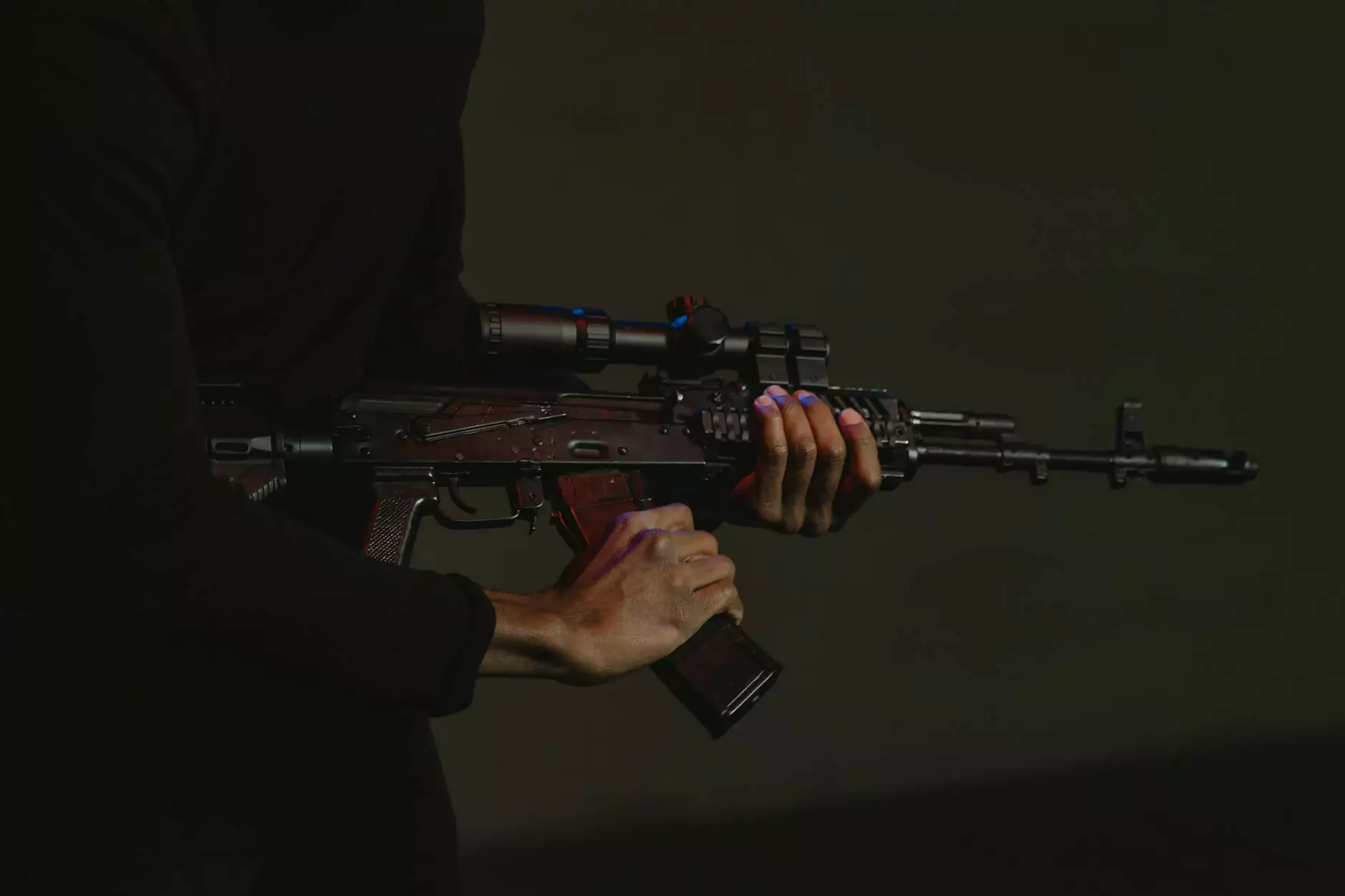
In today's society, the appreciation for firearms has expanded beyond mere hunting and personal defense. The world of Guns & Ammo, Gun/Rifle Ranges, and Firearm Training has evolved into a comprehensive ecosystem that promotes safety, responsibility, and skill development. This article delves deeply into these categories, offering insights that could empower current and aspiring firearms enthusiasts alike.
The Allure and Importance of Guns & Ammo
In any discussion about firearms, the conversation typically begins with Guns & Ammo. The choice of firearm is crucial for anyone interested in this field. Different guns cater to various needs, whether for sport shooting, personal defense, or hunting. Here’s a closer look at what makes this category so vital.
Types of Firearms
Firearms can generally be grouped into several categories, including:
- Pistols: Compact, easy to handle, often used for personal protection.
- Rifles: Designed for accuracy over longer distances, suitable for hunting and recreational shooting.
- Shotguns: Great for hunting birds and home defense, offering a wide spread of pellets.
- Revolvers: Renowned for reliability and simplicity, making them a popular choice for many.
Understanding Ammunition
Ammunition is just as critical as the firearm itself. Here are key points to consider:
- Types of Rounds: Different calibers and types (FMJ, hollow point) serve distinct purposes.
- Quality Matters: Always choose high-quality ammunition for better performance and safety.
- Storage and Handling: Properly store ammunition in a cool, dry place to ensure reliability.
Gun/Rifle Ranges: The Arena for Skill Development
To truly master the art of shooting, practice is essential. This is where Gun/Rifle Ranges come into play. They provide the necessary environment for honing skills, learning safety protocols, and enjoying the sport.
Types of Ranges
Ranges come in various formats, including:
- Outdoor Ranges: Typically larger and great for long-range shooting. They allow for a variety of target setups.
- Indoor Ranges: Convenient and sheltered, ideal for practicing marksmanship in a controlled environment.
- Private Ranges: Often owned by individuals or clubs, these offer exclusive access and a more personalized experience.
The Benefits of Practicing at a Range
Why should you commit to regular practice at a range? Here are some compelling reasons:
- Professional Guidance: Many ranges offer professional instructors who can provide valuable feedback and training.
- Community Engagement: Joining a shooting range can connect you with a community of like-minded individuals.
- Access to Equipment: Ranges often provide rental services for various firearms and ammunition.
Firearm Training: Safety and Proficiency First
Of equal importance is Firearm Training. Responsible gun ownership doesn't just end with purchasing a gun; it continues with the commitment to ongoing training and education.
Types of Training Available
Training can range widely, encompassing various levels and specializations:
- Beginner Classes: Ideal for newcomers, these classes cover basic firearm safety, handling, and shooting techniques.
- Advanced Tactical Training: For experienced shooters looking to enhance their tactical skills and decision-making under pressure.
- Specialty Courses: Courses focused on specific skills such as home defense, competition shooting, or hunting techniques.
The Importance of Safety Training
One of the foremost aspects of firearm training is safety. Every gun owner should know:
- Always Treat Every Firearm as if it's Loaded: This fundamental rule prevents accidental discharges.
- Know Your Target and What's Beyond It: Situational awareness is crucial for responsible shooting.
- Keep Your Finger Off the Trigger: Only put your finger on the trigger when ready to shoot.
- Proper Storage: Safely store firearms away from children and unauthorized users.
The Role of Community and Culture in Firearm Enthusiasm
The fascination with firearms is not just about the objects themselves; it also involves the culture and community built around them. Engaging with others who share your interests can significantly enhance the experience.
Joining Clubs and Organizations
Many firearms enthusiasts find joining clubs or organizations beneficial:
- Networking: Make connections with other enthusiasts, learn from their experiences, and share your own knowledge.
- Access to Events: Participate in competitions, training sessions, and social events that are often exclusive to members.
- Advocacy: Be part of a larger movement that advocates for responsible gun ownership and constitutional rights.
Conclusion: Embrace the Journey of Firearm Proficiency
Embracing firearms as a hobby or skill requires dedication to understanding the nuances of Guns & Ammo, seeking practice at Gun/Rifle Ranges, and committing to Firearm Training. By doing so, you not only enhance your abilities but also contribute to a safer, more informed community of gun owners. For anyone interested, the resources available at https://kmtactical.net/ can provide invaluable insights and services to help elevate your journey in the world of firearms.
Ultimately, responsible gun ownership is about balancing enjoyment with safety and knowledge. With the right approach, firearms can serve not just as tools for hunting or self-defense, but as a gateway to a vibrant community and an enriching lifestyle.