Effective Maize Weevil Control for Sustainable Farming
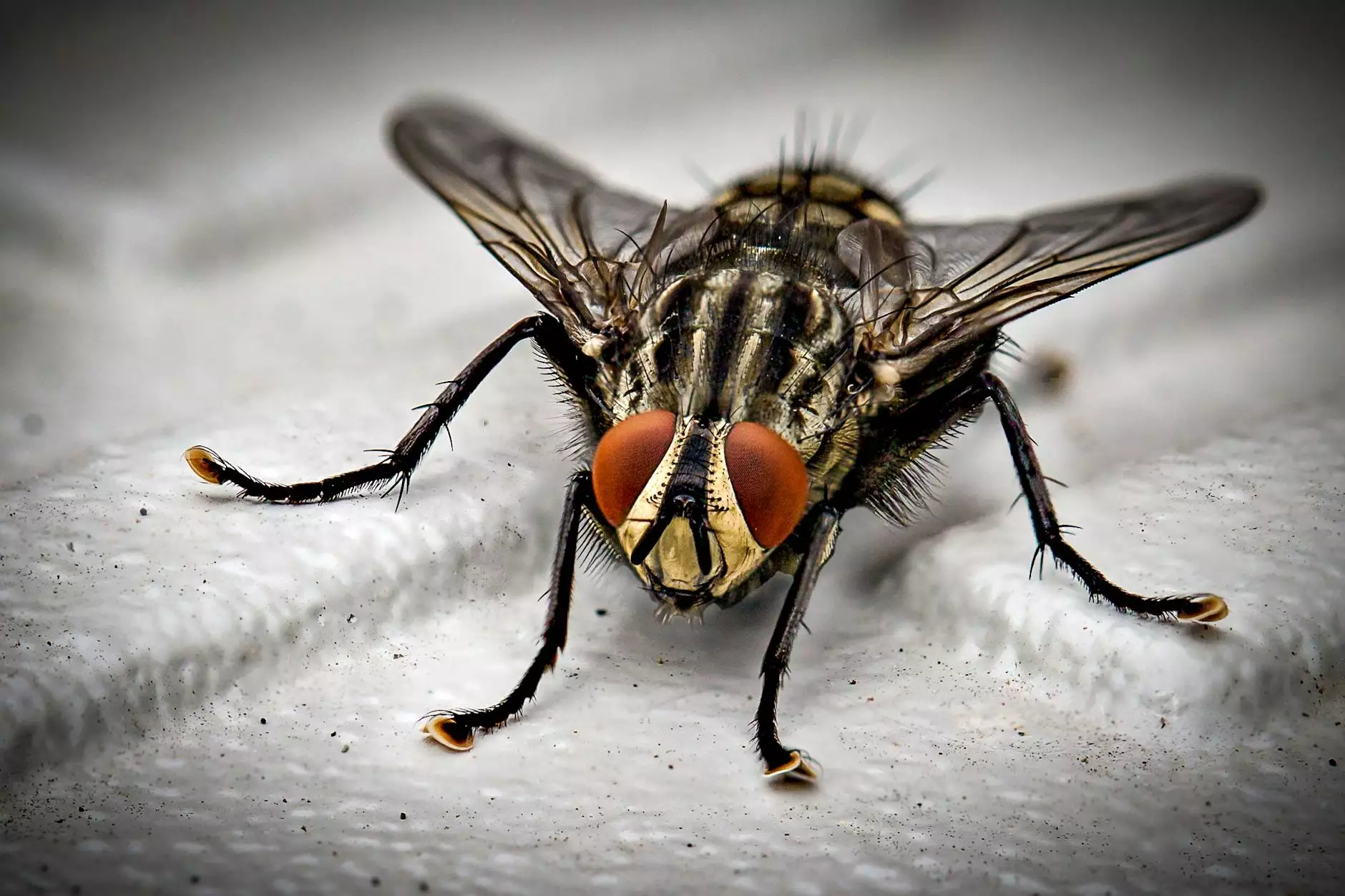
Maize weevil control is essential for maintaining the quality and quantity of maize crops. Maize weevils, known scientifically as *Sitophilus zeamais*, are notorious pests that can devastate stored grains, leading to significant financial losses for farmers and businesses alike. In this comprehensive guide, we will explore the best practices for maize weevil control, providing you with the knowledge and tools to protect your crops effectively.
Understanding the Maize Weevil
The maize weevil is a small, brownish insect that infests whole grain. Adult weevils measure about 3–5 mm in length and have elongated snouts from which they derive their name. The life cycle of the maize weevil consists of four stages: egg, larva, pupa, and adult. Understanding this life cycle is crucial for developing effective control strategies.
Life Cycle of the Maize Weevil
- Egg Stage: Female weevils lay eggs inside the grains. One female can lay up to 250 eggs.
- Larval Stage: Upon hatching, larvae bore into the grain and begin feeding on the starchy endosperm.
- Pupal Stage: After feeding, larvae pupate within the grain itself, transforming into adults.
- Adult Stage: Newly emerged adults leave the grain to mate and continue the cycle.
Each stage of the life cycle poses a risk to your stored maize, making it imperative to implement control measures promptly.
Importance of Maize Weevil Control
Effective maize weevil control is crucial for several reasons:
- Quality Maintenance: Infestations can lead to high levels of grain damage, affecting the nutritional value and quality of the maize.
- Financial Impact: The loss of stored grains due to weevil infestation can lead to significant financial losses for farmers.
- Market Reputation: Selling infested maize can harm a farmer's reputation, affecting future sales and partnerships.
- Sustainability: Maintaining weevil-free grains helps ensure sustainable farming practices and food security.
Preventative Measures for Maize Weevil Control
Prevention is always better than cure. Implementing best practices for storing maize can significantly reduce the risk of weevil infestations:
Proper Grain Storage
Store grains in airtight containers to limit the entry of weevils and prevent infestations. Consider these storage options:
- Grain Silos: Use grain silos with well-sealed structures to minimize airflow and moisture, creating an inhospitable environment for weevils.
- Plastic Bags: Heavy-duty plastic bags can serve as temporary storage. Ensure they are tightly sealed to prevent pest access.
- Steel Containers: Metal or fiberglass containers are excellent for long-term storage as they are durable and hard for pests to penetrate.
Regular Inspections
Conduct regular inspections of stored grains for signs of weevil activity. Early detection is vital. Look for:
- Holes in Grains: Small exit holes indicate adult weevils have emerged.
- Webbing: Presence of silk webbing or husks signifies larval feeding.
- Frass: The excrement of the larvae resembles small, powdery dust.
By staying vigilant, you can catch infestations before they escalate.
Active Control Methods for Maize Weevil Control
Once an infestation has occurred, immediate action is necessary. Here are several effective maize weevil control measures:
Chemical Insecticides
Using chemical insecticides can be an effective way to combat maize weevils, especially during the post-harvest phase. Here are some tips:
- Application Timing: Apply insecticides immediately after harvest and before storage to kill any existing insects.
- Follow Guidelines: Always follow label instructions and safety guidelines when applying chemical treatments.
- Types of Insecticides: Look for approved insecticides for stored grains, such as pyrethroids and organophosphates.
Natural and Biological Control
For those who prefer a more organic approach, consider the following natural control methods:
- Beneficial Insects: Introduce natural predators like *Trichogramma* wasps to control weevil populations.
- Essential Oils: Use essential oils such as peppermint oil, which have been shown to repel maize weevils.
- Neem Oil: Derived from the seeds of the neem tree, neem oil disrupts the life cycle of weevils when applied to grains.
Physical Control Measures
Physical control methods include:
- Heat Treatment: Heat grains to temperatures above 50°C (122°F) for a few hours to kill weevils.
- Freezing: For small quantities, freezing grains at -18°C (0°F) for four days can also eradicate weevils.
- Remove Infested Grains: If you detect an infestation, remove and destroy affected grains immediately.
Integrated Pest Management (IPM) for Maize Weevil Control
The most effective long-term strategy for maize weevil control is Integrated Pest Management (IPM). This approach combines multiple strategies for optimal results:
Planning and Prevention
Implement planning strategies such as crop rotation and timing of planting to disrupt weevil life cycles. Diverse cropping systems can naturally deter weevil populations.
Monitoring and Assessment
Implement a systematic monitoring system to track weevil populations. Regularly assessing the effectiveness of your control strategies can help you make necessary adjustments.
Collaboration with Agricultural Experts
Consult with agricultural extension specialists to stay informed about the latest research and recommendations for effective pest management.
Conclusion: Mastering Maize Weevil Control
Implementing effective maize weevil control measures is essential for maintaining high-quality maize production. By understanding the biology of the maize weevil, employing preventative strategies, and utilizing active control methods, you can protect your harvest and ensure sustainable farming practices. Addressing the threat of maize weevils not only benefits individual farmers but also contributes to the overall health of the agricultural sector.
At TSGC Inc., we provide comprehensive support for Farm Equipment Repair and advice on Farming Equipment. Our commitment to your agricultural success includes advice on protecting your crops from pests. Reach out to us for more information on how we can help you safeguard your grains and advance your farming business.