Mastering Multiplayer Game Development: A Comprehensive Guide
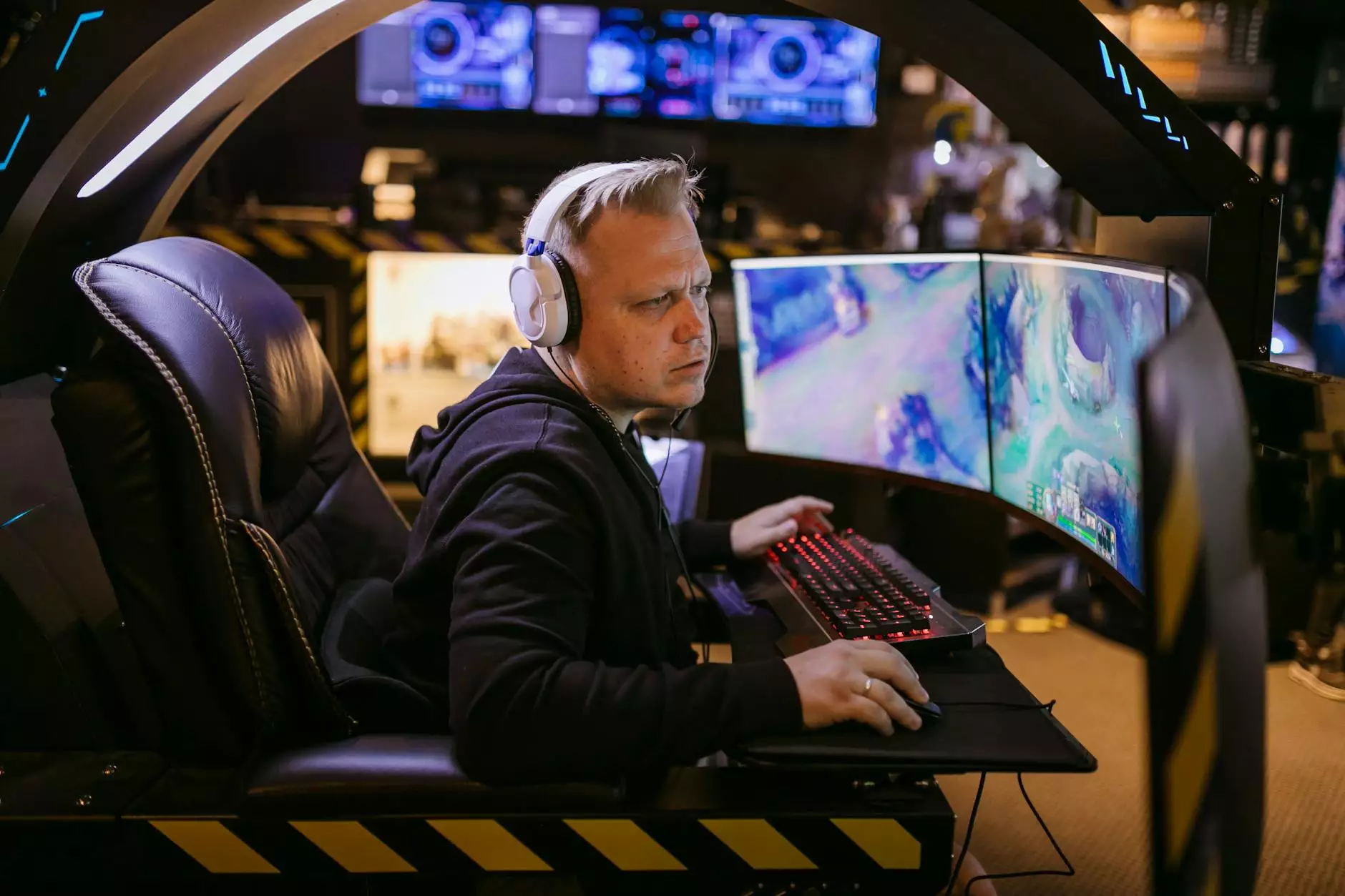
In today's fast-paced digital world, multiplayer games have transformed the gaming landscape, captivating millions of players around the globe. From battle royales to cooperative quests, the demand for well-designed multiplayer experiences is at an all-time high. This article explores the art and science of programming a multiplayer game, providing insights into the intricacies of game development outsourcing, methodologies, and practical tips from industry experts, including insights from Pingles Studio, a leading Game Development Outsourcing Company.
Understanding Multiplayer Game Development
Before diving into the technical aspects of programming a multiplayer game, it's crucial to understand what makes multiplayer games tick. At their core, these games foster interaction among players, allowing them to compete or collaborate in real-time. The primary types of multiplayer games include:
- Competitive Multiplayer: Players compete against each other, often in large groups.
- Cooperative Multiplayer: Players work together to achieve shared objectives.
- Massively Multiplayer Online Games (MMO): Large-scale games with potentially thousands of players interacting in a shared world.
Key Elements of Programming a Multiplayer Game
Developing a robust multiplayer game requires a clear understanding of several core elements:
1. Game Design and Conceptualization
The first step in programming a multiplayer game is to establish a solid game design. This includes creating engaging gameplay mechanics, defining roles, and outlining the game world. Important aspects to consider are:
- Game Mechanics: How players interact with each other and the environment.
- Balance and Fairness: Ensuring no player has an unfair advantage.
- User Experience (UX): Designing intuitive interfaces and controls.
2. Networking Architecture
Networking is the backbone of any multiplayer game. The choice of networking architecture can significantly affect gameplay and performance. Common architectures include:
- Client-Server Model: A central server manages game state and player connections.
- P2P (Peer-to-Peer) Model: Players communicate directly with each other, reducing server loads.
- Hybrid Models: Combining both client-server and P2P approaches for scalability and efficiency.
3. Server Management
Proper server management is essential for maintaining a smooth gaming experience. Key considerations include:
- Scaling: Ability to handle increasing numbers of players.
- Latency: Minimizing delay in player interactions to ensure real-time engagement.
- Security: Protecting player data and preventing cheating.
Choosing the Right Technology Stack
The technology stack you select can greatly influence the development of your multiplayer game. Here's a breakdown of some popular technologies:
Game Engines
Selecting the right game engine is vital. Popular engines for multiplayer games include:
- Unity: Well-known for its versatility and extensive developer resources.
- Unreal Engine: Renowned for high-fidelity graphics and advanced features.
- Photon: Specifically designed for multiplayer development with real-time capabilities.
Programming Languages
The choice of programming language can dictate the ease or difficulty of developing a multiplayer game. Some popular choices are:
- C#: Widely used in Unity engine for scripting.
- C++: Commonly used in Unreal Engine for lower-level access to game systems.
- JavaScript: Often used for web-based multiplayer games.
Practical Tips for Programming a Multiplayer Game
Here are some valuable tips to help you succeed in programming a multiplayer game:
1. Start Small and Scale Up
Begin with a simple concept and prototype your game mechanics. This allows you to test and refine ideas before expanding into larger systems.
2. Focus on Synchronization
Ensure game states are synchronized across all clients. This is critical to providing a seamless experience. Use techniques like client-side prediction and authoritative servers to manage this effectively.
3. Optimize Network Traffic
Efficiently managing network traffic can significantly enhance performance. Minimize the amount of data sent over the network by sending only essential information and implementing data compression techniques.
4. Implement a Robust Testing Process
Testing is crucial in multiplayer games, particularly to identify bugs that may only appear under specific network conditions. Setting up a dedicated testing environment can help in uncovering issues early.
5. Engage with Your Community
Feedback from players is invaluable. Actively engage with your community to gather insights and suggestions, which can help improve gameplay and deepen player investment.
Collaborating with a Game Development Outsourcing Company
For studios and indie developers looking to enhance their multiplayer game development capabilities, partnering with a Game Development Outsourcing Company like Pingles Studio can be an effective solution. Here’s how outsourcing can help:
1. Access to Expertise
Outsourcing provides access to a vast pool of experience and technical expertise in multiplayer game technology. Your project can benefit from specialized skills that are hard to find in-house.
2. Cost-Effectiveness
Outsourcing can significantly reduce development costs, especially if you're working with a team based in regions with lower labor costs. This opens up resources for marketing, testing, and other vital areas.
3. Faster Development Times
With a dedicated team working on your project, you can accelerate development timelines, allowing for quicker release cycles and adaptations based on player feedback.
4. Focus on Core Competencies
By outsourcing, your in-house team can focus on core competencies and strategic initiatives while the outsourcing team handles the more technical aspects of game development.
Conclusion
In summary, programming a multiplayer game is a multifaceted endeavor that combines creativity, technology, and player engagement. By understanding the essential elements, selecting the right technologies, applying practical tips, and potentially collaborating with an experienced game development outsourcing company like Pingles Studio, you can bring your multiplayer gaming vision to life. The journey may be complex, but the rewards of creating an engaging multiplayer experience are immensely satisfying for both developers and players alike.