Harnessing the Power of MRI Service in Modern Healthcare & Medical Centers
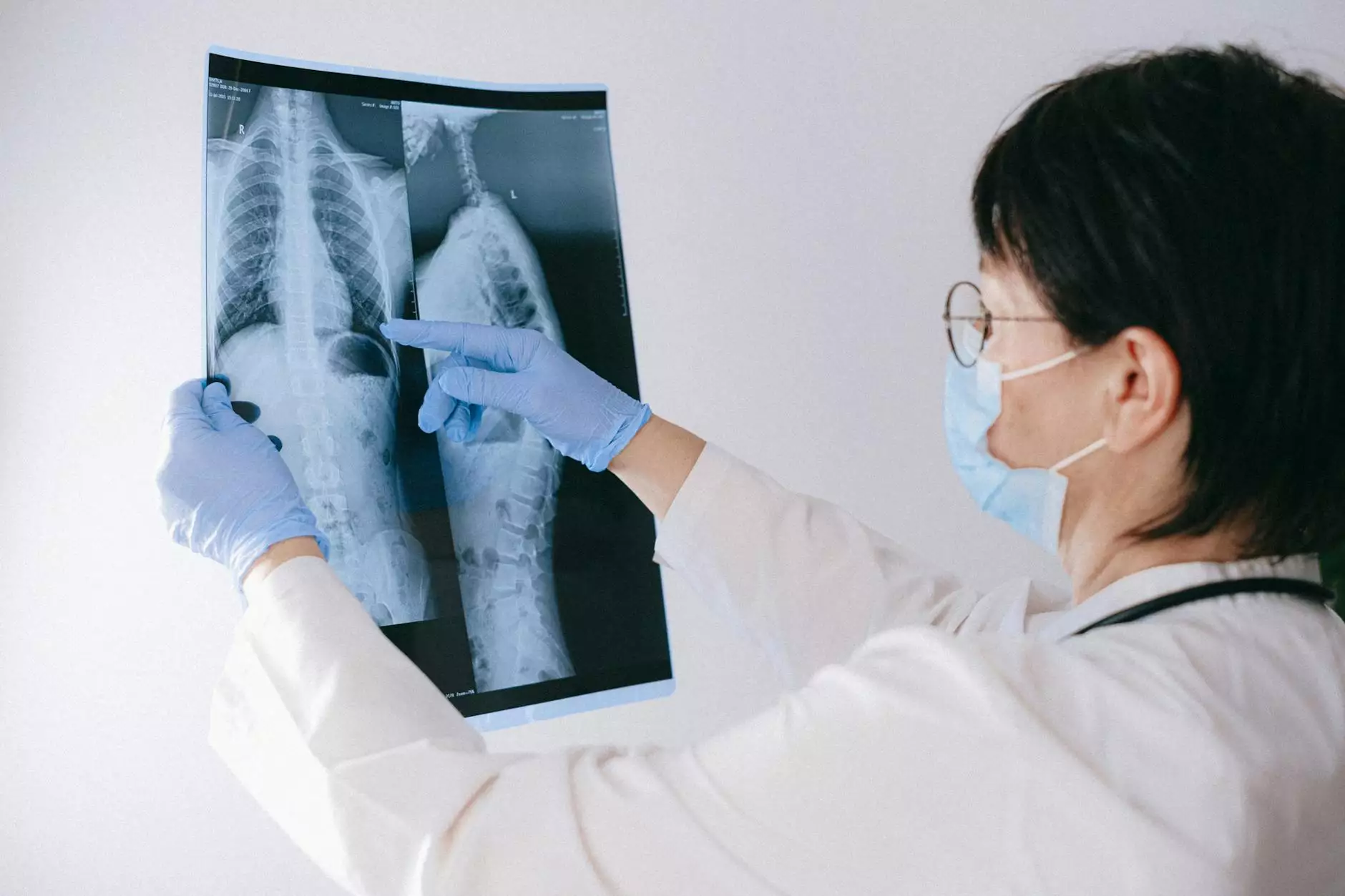
In today’s rapidly evolving medical landscape, diagnostic services play a pivotal role in delivering precise, timely, and effective patient care. Among these, MRI (Magnetic Resonance Imaging) stands out as a cornerstone technology that significantly enhances diagnostic accuracy and treatment planning. With the increasing demand for advanced medical centers offering MRI services, healthcare providers are continuously innovating to meet patient needs with safe, reliable, and comprehensive imaging solutions. This article delves deep into the critical aspects of MRI service, exploring its technological advancements, benefits, operational considerations, and the vital role it plays in enhancing patient outcomes across various health disciplines.
What Is an MRI Service and Why Is It Essential in Modern Healthcare?
An MRI service refers to the process of performing magnetic resonance imaging scans using sophisticated equipment to visualize, diagnose, and monitor a wide array of medical conditions. Unlike traditional X-rays or CT scans, MRI utilizes powerful magnetic fields and radio waves to generate highly detailed images of soft tissues, organs, and other internal structures without the use of ionizing radiation.
This technology is indispensable in medical centers and health facilities because it offers unparalleled clarity and contrast, enabling physicians to detect abnormalities such as tumors, neurological disorders, musculoskeletal issues, vascular diseases, and more at early stages. Consequently, MRI services significantly contribute to better diagnostic accuracy, personalized treatment plans, and improved patient outcomes.
The Technological Evolution of MRI Equipment and Its Impact on Diagnostic Precision
Over recent decades, MRI technology has undergone remarkable advancements, profoundly impacting diagnostic services in healthcare facilities. Modern MRI machines are now equipped with high-field strength magnets—ranging from 1.5 Tesla to 7 Tesla—delivering images with exceptional resolution. These advancements enable clinicians to detect subtle pathological changes that were previously indiscernible, fostering earlier and more accurate intervention.
Key technological innovations include:
- High-Resolution Imaging: Allows detailed visualization of complex structures like brain, spinal cord, and joints.
- Functional MRI (fMRI): Measures brain activity by detecting blood flow changes, instrumental in neurological research and surgical planning.
- Open MRI Scanners: Designed for claustrophobic or larger patients, enhancing comfort without compromising image quality.
- Speeding Up Scan Times: New protocols reduce procedure durations, improving patient throughput and experience.
- Enhanced Software Algorithms: For image reconstruction, 3D visualization, and automated anomaly detection.
These technological strides have elevated MRI service from basic imaging to a comprehensive diagnostic tool critical for precision medicine.
Operational Excellence in MRI Service: Ensuring Safety, Accuracy, and Patient Comfort
Providing MRI services within medical centers requires a meticulous approach to operation management, emphasizing safety, accuracy, and patient-centric care. The following are essential operational considerations:
Patient Safety and Protocols
Because MRIs involve strong magnetic fields, strict safety protocols are mandatory. Comprehensive screening for contraindications like pacemakers, ferromagnetic implants, or metal foreign bodies ensures safety. Additionally, adherence to safety standards includes:
- Maintaining rigorous equipment calibration and maintenance
- Training staff in emergency procedures
- Monitoring for adverse reactions during contrast-enhanced scans
- Implementing infection control measures for equipment cleanliness
Ensuring High-Quality Imaging and Diagnostic Precision
Quality imaging hinges on technically proficient operators and state-of-the-art equipment. Regular staff training ensures high scan quality, proper technique, and accurate interpretation. Integration of advanced software analytics enhances diagnostic confidence, especially in subtle or complex cases.
Enhancing Patient Experience and Comfort
Modern MRI services prioritize patient comfort by offering spacious, open designs and noise reduction technologies. Clear communication about the procedure, expected sensations, and duration helps alleviate anxiety, leading to more cooperative patients and better image quality.
Choosing the Right Medical Center for MRI Service: What Patients and Practitioners Should Consider
When selecting a healthcare facility for MRI service, both patients and physicians evaluate several critical factors to ensure optimal outcomes:
- Advanced Equipment: Confirm the availability of high-field MRI machines and complementary imaging technology.
- Qualified Personnel: Opt for centers staffed with certified radiologists and experienced technologists.
- Accreditation and Compliance: Ensure the facility adheres to national and international safety standards and quality protocols.
- Patient-Centric Environment: Look for facilities that prioritize comfort, privacy, and clear communication.
- Accessibility and Convenience: Proximity, appointment flexibility, and minimal wait times are crucial considerations.
- Cost and Insurance Compatibility: Transparent pricing and coverage options ease the financial aspect for patients.
The Role of MRI Service in Multiple Medical Disciplines
MRI service integration within medical centers spans a broad spectrum of specialties, highlighting its versatility. It is instrumental in diagnosing and managing health issues across:
Neurology and Neurosurgery
Brain and spinal cord imaging through MRI facilitates the diagnosis of stroke, tumors, multiple sclerosis, and traumatic injuries. Functional MRI aids in pre-surgical mapping, preserving critical brain functions during interventions.
Orthopedics and Rheumatology
Musculoskeletal MRI detects ligament tears, meniscal injuries, osteoarthritis, and degenerative diseases, guiding effective treatment strategies and surgical planning.
Cardiology and Vascular Medicine
Cardiac MRI provides detailed images of heart structures, function, and vascular anomalies, supporting diagnosis of cardiomyopathies, aneurysms, and congenital defects.
Oncology
High-resolution MRI enables early detection, staging, and monitoring of various cancers, including brain, breast, prostate, and soft tissue tumors, facilitating personalized therapy approaches.
Abdominal and Pelvic Imaging
Assessing liver, kidneys, reproductive organs, and gastrointestinal structures, MRI offers critical insights into a broad spectrum of abdominal conditions, minimizing the need for invasive procedures.
The Future of MRI Service: Innovations and Opportunities in Healthcare
The trajectory of MRI service development is shaped by ongoing innovations that promise to redefine diagnostic medicine. Key future trends include:
- Artificial Intelligence Integration: AI algorithms will enhance image analysis, anomaly detection, and predictive diagnostics.
- Remote and Mobile MRI Units: Expanding access, especially in underserved areas, with portable, high-quality MRI solutions.
- Faster and More Comfortable Procedures: Ultra-fast imaging techniques and ergonomic designs will reduce scan times and improve patient experience.
- Hybrid Imaging Modalities: Combining MRI with Positron Emission Tomography (PET) or other modalities for comprehensive diagnostic insights.
These advancements will continue to elevate diagnostic services within healthcare and medical centers, ensuring more precise, safe, and accessible imaging solutions that translate into better patient care and outcomes.
Conclusion: Elevating Healthcare with Superior MRI Service
MRI service has become an integral aspect of high-quality healthcare, offering unmatched clarity in diagnostic imaging that underpins accurate diagnosis, effective treatment, and improved patient outcomes. As medical centers invest in cutting-edge technology, adhere to safety standards, and prioritize patient experience, they solidify their role as leaders in comprehensive health care delivery.
For healthcare providers aiming to stay at the forefront of medical innovation, focusing on delivering superior MRI services is essential. It empowers clinicians with the detailed insights necessary to tailor therapies, monitor progress, and ultimately, save lives.
In an era where precision medicine is increasingly critical, investing in MRI technology and services signifies a commitment to excellence, safety, and excellence in patient care—values that resonate deeply within the healthcare community and inspire trust among patients.
To learn more about how your medical center can enhance its diagnostic services with state-of-the-art MRI solutions, visit echomagnetservices.com—your partner in advanced healthcare technology.