Ultimate Guide to Owning and Caring for Your Frog Pet
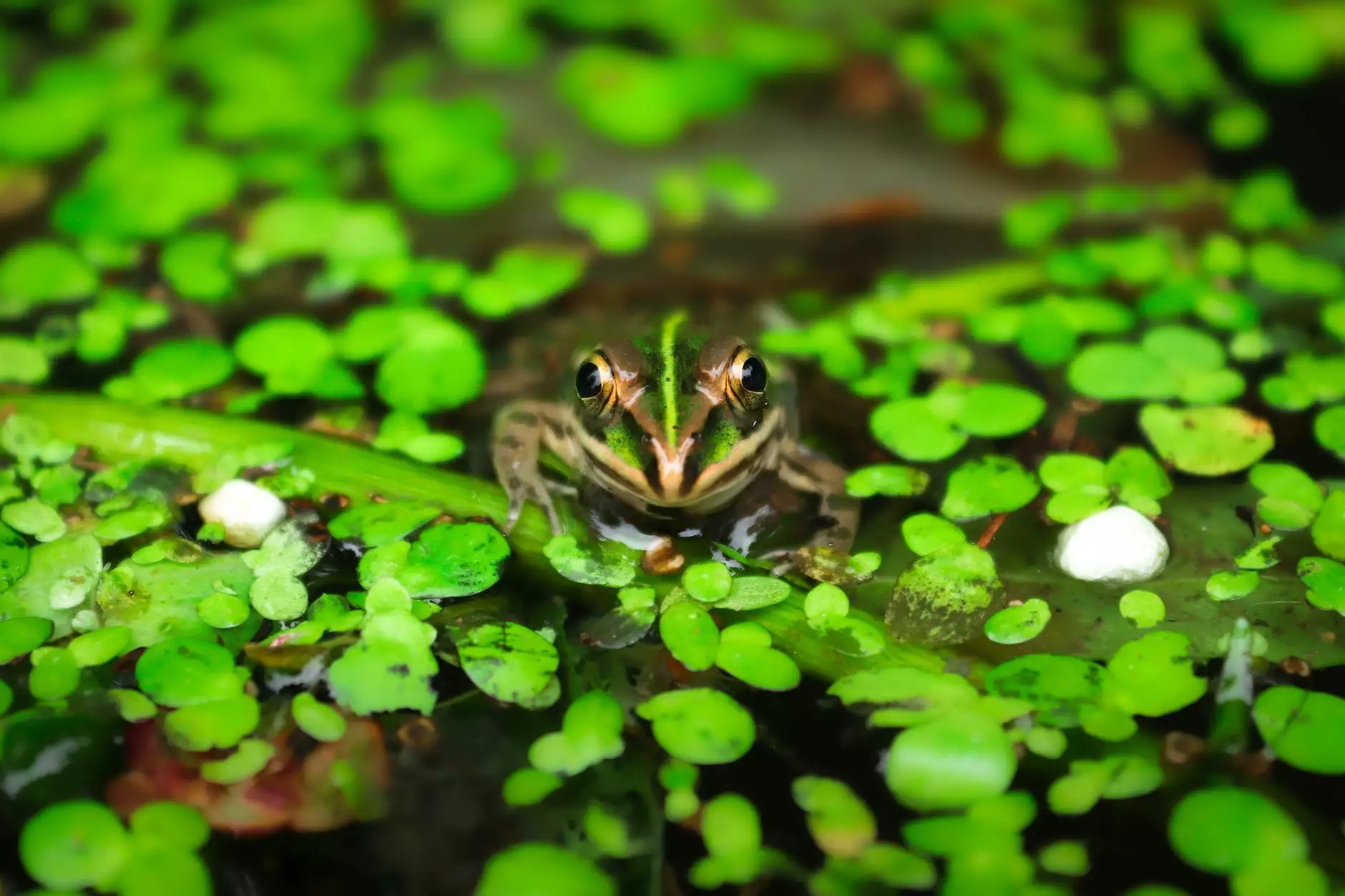
Understanding the intricacies of frog pet ownership is essential for ensuring your amphibian companion thrives in a safe and enriching environment. Whether you're a seasoned reptile enthusiast or a new pet owner, this comprehensive guide will walk you through every aspect of caring for frogs, explore the role of reliable pet breeders and reptile shops, and provide invaluable tips on creating the perfect habitat. Our aim is to empower you with knowledge that supports responsible pet ownership and enhances the well-being of your amphibian friends.
Why Choose a Frog Pet? The Fascinating World of Amphibians
Frog pets are among the most fascinating and diverse creatures you can keep as companions. Their vibrant colors, unique behaviors, and intriguing life cycles make them ideal for enthusiasts seeking a low-maintenance yet engaging pet. Frogs are not only beautiful but also play a vital role in ecological balance, making them a meaningful addition to your home.
Key Benefits of Having a Frog Pet
- Educational Value: Learning about amphibian biology and natural habitats.
- Low Maintenance: Many frog species require minimal daily care, making them perfect for beginners.
- Unique Aesthetics: Bright colors and interesting behaviors add a lively ambiance to your space.
- Ecological Impact: Supporting conservation awareness and understanding of natural ecosystems.
- Compact Habitat: Suitable for small living spaces with proper setup.
Choosing the Right Frog Pet: Species and Considerations
Selecting the appropriate frog species is crucial, as different frogs have specific habitat, diet, and social needs. Here’s what to consider:
- Species Compatibility: Some frogs are solitary, while others thrive in groups.
- Care Level: Beginners should start with hardy species like the American Green Tree Frog or Pacman Frog.
- Size and Lifespan: Understand typical adult size and lifespan to ensure lifelong commitment.
- Habitat Needs: Consider humidity, temperature, and dietary requirements.
- Availability: Source your frog from reputable pet breeders or reptile shops to guarantee healthy specimens.
Reliable Pet Breeders and Reptile Shops: Your Partner in Healthy Frog Pets
Finding a trustworthy pet breeder or reptile shop is vital for acquiring healthy, genetic-diverse frogs. These venues ensure your amphibian has a clean health history and is well-cared-for prior to sale. Genuineaustraliareptiles.com prides itself on partnering with reputable breeders and stores dedicated to ethical breeding practices and habitat enrichment.
What to Look for in a Reptile Shop or Pet Breeder
- Health Certifications: Verified health checks and disease-free guarantees.
- Husbandry Standards: Proper enclosure conditions and hygiene practices.
- Knowledgeable Staff: Staff capable of advising on species-specific care tips.
- Breeding Ethics: Practices prioritize animal welfare and genetic diversity.
- Warranty and Support: Ongoing support, including health warranties and advice.
Creating the Perfect Habitat for Your Frog Pet
An optimal habitat is the foundation for a healthy and happy frog pet. Designing the right environment involves careful attention to enclosure setup, substrate, humidity, lighting, and more. Below are essential elements for constructing a habitat that mimics a frog's natural environment.
Enclosure Selection
Choose a terrarium with sufficient space, proper ventilation, and secure lids to prevent escapes. Material options include glass or acrylic, depending on budget and preference. Size guidelines vary by species, but generally, larger enclosures promote better health and activity levels.
Substrate and Décor
- Substrate: Use eco-friendly, moisture-retentive materials like coconut fiber, sphagnum moss, or leaf litter, which facilitate burrowing and maintain humidity.
- Vegetation: Incorporate live or artificial plants for hiding spots and environmental enrichment.
- Hiding Spots and Climbing Structures: Provide caves, logs, and branches to suit the species' natural behaviors.
Humidity and Temperature Control
Maintaining proper humidity—typically between 60% and 80%, depending on the species—is vital. Use hygrometers and misting systems to keep levels consistent. Temperature regulation is equally important, with specific heat lamps or radiant heating pads used to mimic daytime and nighttime temperature variations.
Lighting
A species-appropriate light cycle is necessary for health and breeding. UVB lighting is often recommended to facilitate nutrient absorption and promote activity. Always research the specific needs of your chosen frog species.
Diet and Nutrition for Your Frog Pet
Proper diet is the cornerstone of a long, healthy life for your amphibian. Most frogs are insectivores, with many species thriving on a diet of live insects. Offer a variety of nutritious, gut-loaded insects such as crickets, mealworms, waxworms, and roaches.
Feeding Tips
- Frequency: Young frogs often eat daily, while adults may be fed every 2-3 days.
- Supplements: Dust insects with calcium and vitamin D3 powders to prevent deficiencies.
- Food Size: Feed appropriately sized prey to avoid choking or impaction.
- Freshness: Remove uneaten food promptly to prevent mold and disease.
Hydration Management
Provide a shallow water dish big enough for your frog to soak in, and spray the enclosure regularly to maintain high humidity. Change the water regularly to prevent bacterial buildup.
Health Care and Troubleshooting Common Issues
Regular health checks and environmental monitoring are vital. Watch for signs of illness such as lethargy, skin lesions, abnormal behavior, or loss of appetite. Consult a veterinarian experienced in amphibian care if issues arise.
Common Health Problems
- Skin Diseases: Fungal or bacterial infections.
- Parasites: Internal or external parasites can cause weight loss, skin issues, or anemia.
- Dehydration: Manifested by dry, wrinkled skin, which can be remedied by hydration.
- Stress: Overcrowding, improper environment, or handling stress can weaken immunity.
Legal and Ethical Considerations in Frog Pet Ownership
Ensure compliance with local and national wildlife laws when acquiring and owning frogs. Purchase only from licensed breeders or shops committed to ethical and sustainable practices. Responsible ownership involves ongoing habitat maintenance, proper diet, and health management, contributing positively to conservation efforts.
Conclusion: Embrace the Joy of Your Frog Pet with Knowledge and Care
Owning a frog pet can be an enriching experience filled with discovery and joy. With proper selection, habitat setup, diet, and ongoing care, your amphibian companion will thrive, providing years of fascination and wonder. Partnering with reputable pet breeders and reptile shops like Genuineaustraliareptiles.com ensures you start on the right foot, with healthy and ethically sourced frogs.
Remember, responsible pet ownership is a lifelong commitment that rewards you with a beautiful, lively, and exotic friend. Delve into the natural behaviors of your frog pet and create an environment that promotes health, happiness, and curiosity—your journey into the fascinating world of amphibians begins here.